Indoor Shooting Range: A First-Timer’s Complete Guide
Indoor Shooting Range: A First-Timer’s Complete Guide
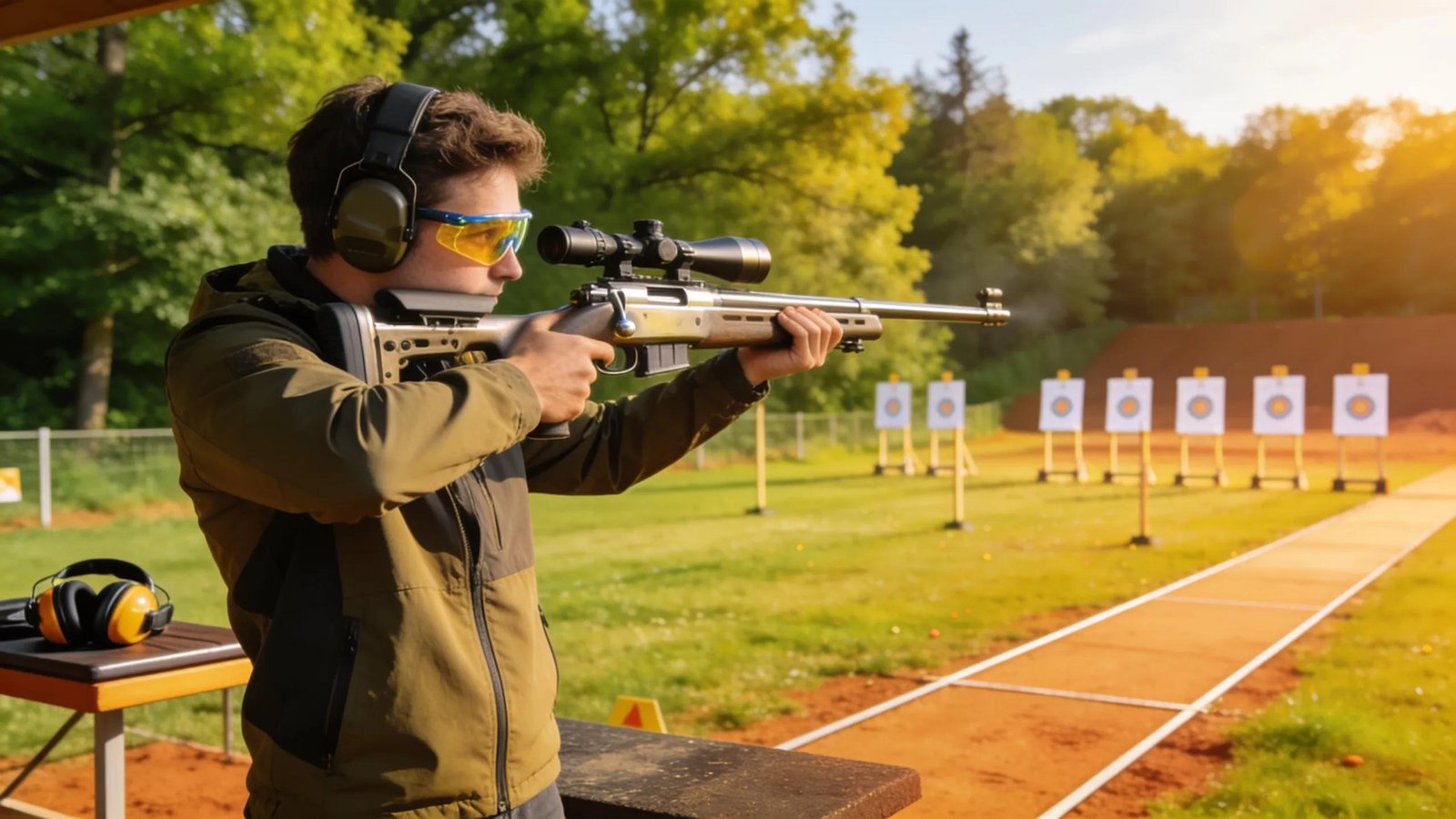
Visiting an indoor shooting range for the first time can be an exhilarating yet daunting experience. This comprehensive guide aims to equip first-time visitors with essential knowledge about what to expect, how to stay safe, and the equipment needed for a successful outing. Indoor shooting ranges provide a controlled environment for practicing shooting skills, whether for sport, self-defense, or recreational purposes. Understanding the basics of safety, equipment, and the overall shooting experience can significantly enhance your confidence and enjoyment. In this guide, we will cover safe shooting practices, essential equipment, tips for building confidence, and the overall shooting range experience, ensuring you are well-prepared for your visit.
However, it’s also important for first-timers to be aware of potential environmental factors, such as air quality, which can pose health risks.
Indoor Shooting Range Air Quality & Lead Risks
Shooting can cause gunshot residue exposure, including lead, other elements, and their by-products accumulate in ambient air and reveal significant health risks. Although Pb values did not exceed the indoor limits for shooting ranges, it has the highest concentration among the analyzed elements.
Investigating ambient air quality of a shooting range during official national competitions, SY Aslanoğlu, 2022
Comprehensive Guide for First-Time Visitors to an Indoor Shooting Range
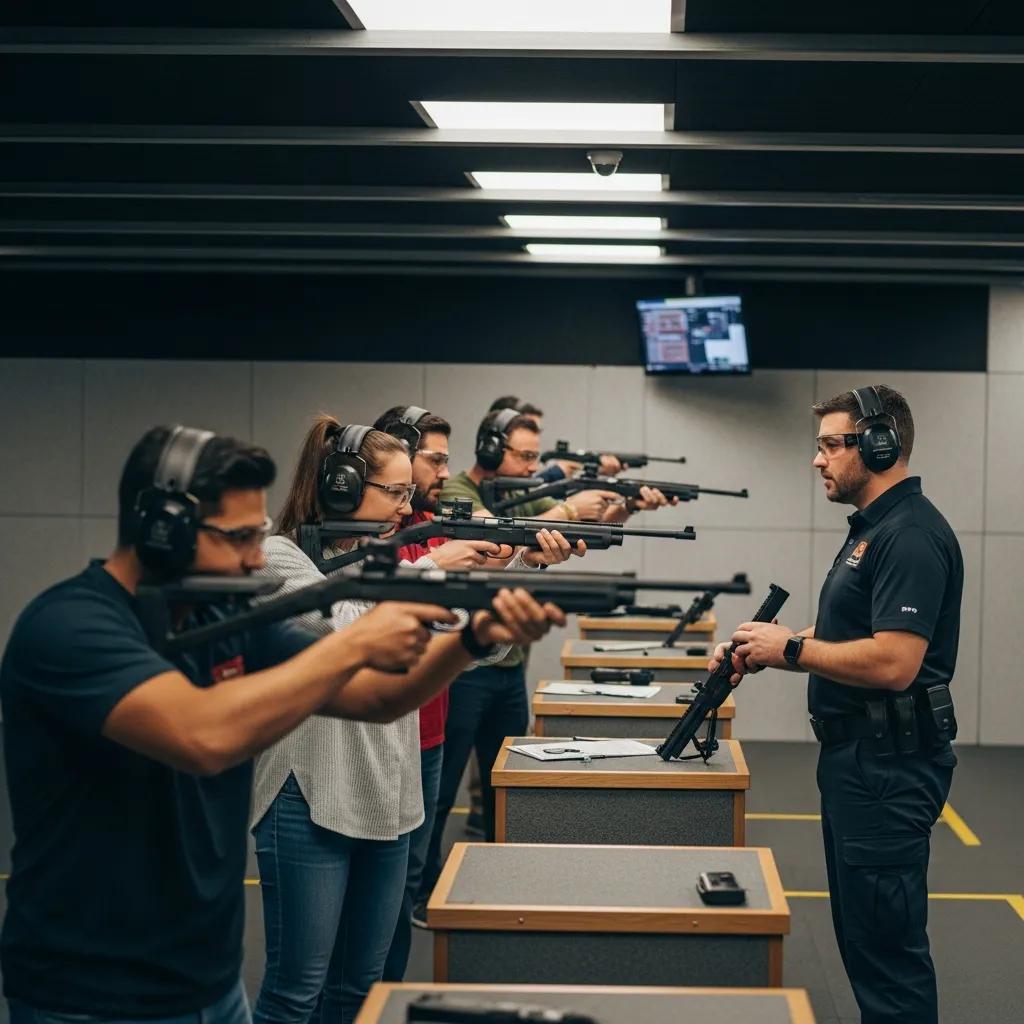
First-time visitors to an indoor shooting range can expect a structured environment designed for safety and skill development. Upon arrival, you will typically check in, sign any necessary waivers, and receive a briefing on the range’s rules and procedures. Understanding the importance of safety and preparation is crucial, as it sets the tone for a positive experience. The shooting experience itself involves following commands from range officers, using appropriate equipment, and adhering to safety protocols, all of which contribute to a successful outing.
Safe Shooting Practices
Safety is paramount when visiting an indoor shooting range. Adhering to established guidelines ensures a secure environment for all participants. Here are the four fundamental safety rules every shooter should follow:
- Always Treat Firearms as if They Are Loaded: This mindset helps prevent accidental discharges and promotes responsible handling.
- Keep the Muzzle Pointed in a Safe Direction: Always ensure the firearm is pointed downrange or at a designated safe area.
- Keep Your Finger Off the Trigger Until Ready to Shoot: This practice minimizes the risk of unintentional firing.
- Be Aware of Your Surroundings: Understanding the layout of the range and the actions of others is essential for maintaining safety.
Following these rules not only protects you but also ensures the safety of fellow shooters and range staff.
Essential Equipment
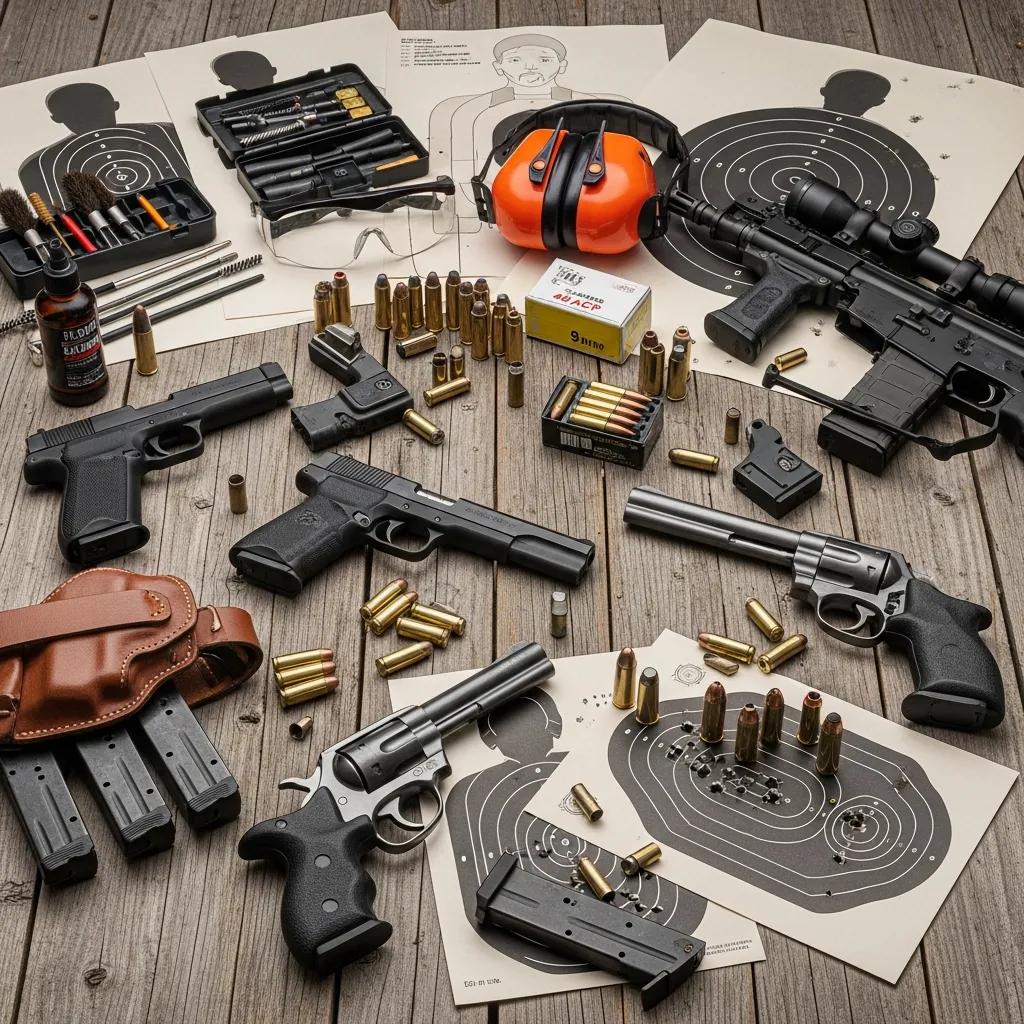
When preparing for a visit to an indoor shooting range, having the right equipment is crucial. Here’s a list of essential gear you should consider:
- Firearm: Depending on your experience level, you may bring your own or rent one at the range.
- Ammunition: Ensure you have the correct type and amount of ammunition for your firearm.
- Safety Gear: This includes eye protection and ear protection to safeguard against noise and debris.
- Shooting Targets: Many ranges provide targets, but you may want to bring your own for specific practice.
Field and Falcon offers a range of firearms and shooting gear, ensuring you have access to quality equipment for your shooting experience.
Firearm Rental Options
If you are new to shooting, renting a firearm can be a great way to start. Most indoor ranges offer a selection of firearms for rent, allowing you to try different models before making a purchase. Rental fees typically vary based on the type of firearm and range policies.
Safety Gear Recommendations
Investing in quality safety gear is essential for a safe shooting experience. Look for ANSI-rated eye protection and noise-canceling earplugs or earmuffs. These items are often available for purchase at shooting ranges, including options from Field and Falcon.
Tips for Building Confidence While Shooting
Building confidence as a shooter is a gradual process that involves practice and patience. Here are some tips to help you improve your shooting skills:
- Take Your Time: Rushing can lead to mistakes. Focus on your technique rather than the number of shots fired.
- Practice Breath Control: Controlling your breathing can enhance your accuracy. Take a deep breath, exhale, and squeeze the trigger gently.
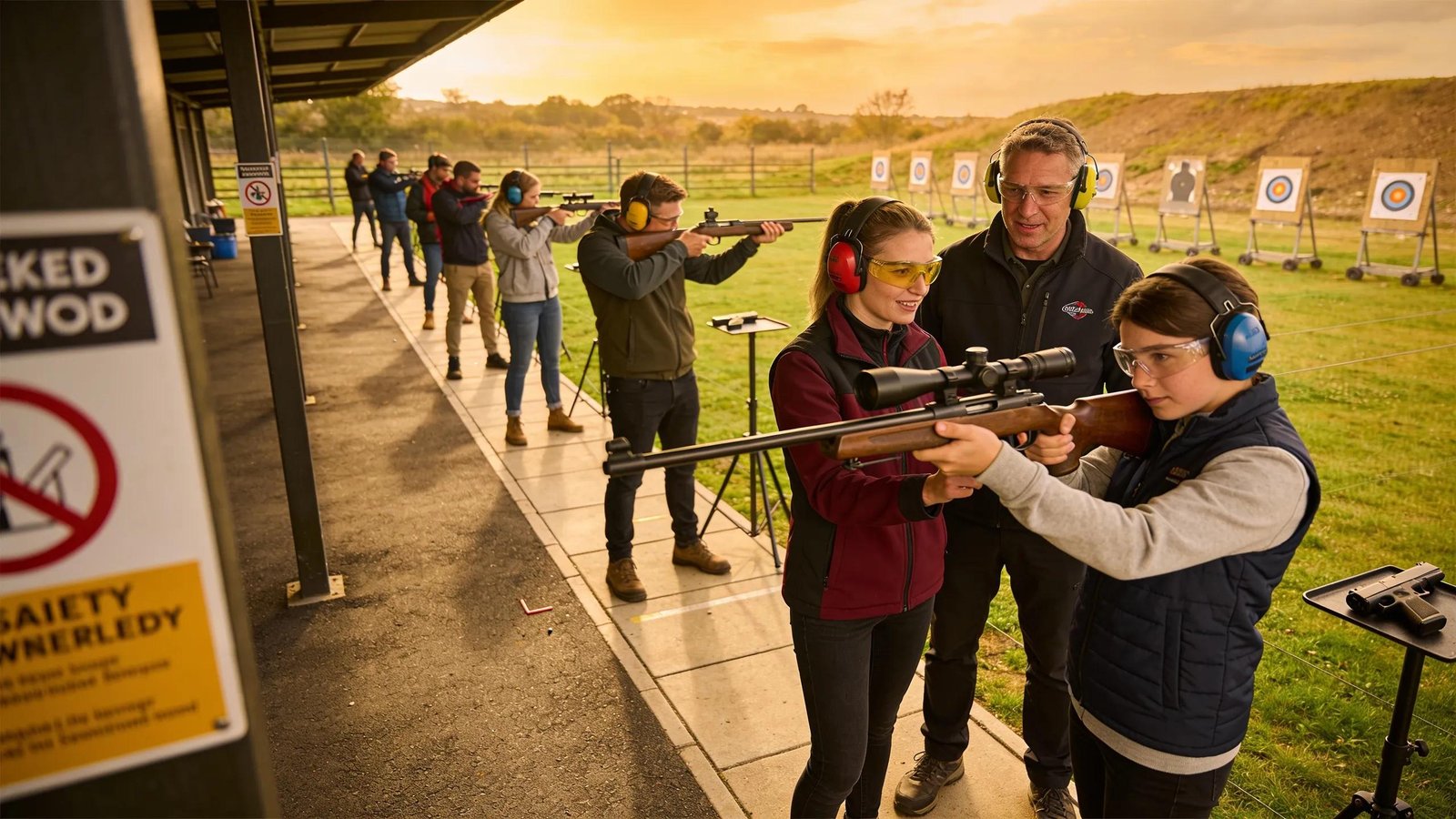
- Seek Guidance from Instructors: Many ranges offer training sessions. Learning from experienced instructors can significantly boost your confidence and skills.
Field and Falcon provides various shooting experiences and training options to help you build your confidence effectively.
The Shooting Range Experience
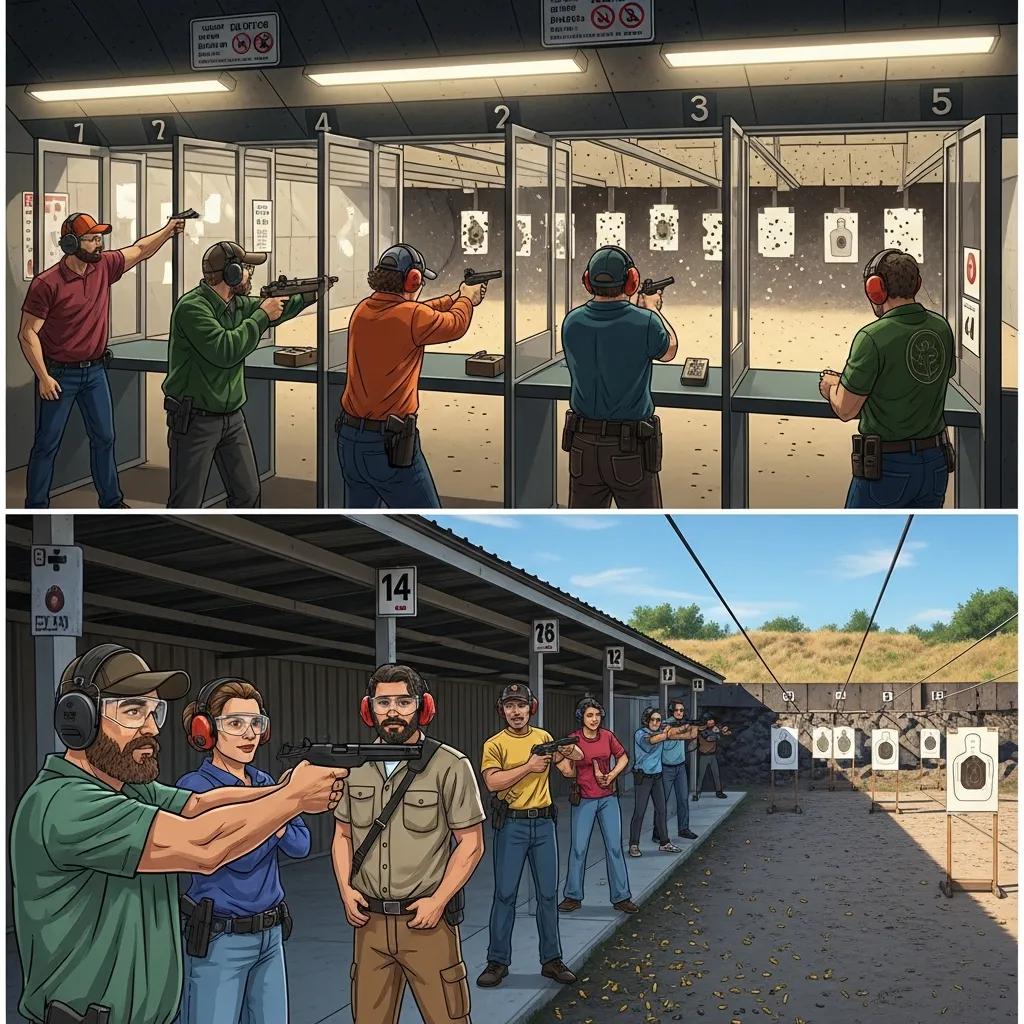
The overall experience at an indoor shooting range is designed to be both educational and enjoyable. Upon arrival, you will typically go through a registration process, where you may need to show identification and sign waivers. Afterward, you will receive a briefing on the range’s rules and procedures, which is crucial for ensuring safety.
Once you are ready to shoot, you will follow commands from range officers, who will guide you through the shooting process. This includes loading your firearm, aiming, and firing at targets. After your session, there are often protocols for cleaning up and returning equipment, ensuring the range remains safe and organized for all users.
Common Safety Mistakes to Avoid
Even experienced shooters can make mistakes that compromise safety. Here are some common pitfalls to avoid:
- Ignoring Range Commands: Always listen to and follow the instructions of range officers.
- Handling Firearms Outside Designated Areas: Only handle firearms in the shooting area to prevent accidents.
- Distractions: Stay focused on your shooting and avoid engaging in conversations or distractions while handling firearms.
By being aware of these common mistakes, you can enhance your safety and that of others at the range.
Beyond personal conduct, understanding the environmental safety measures, particularly concerning lead exposure, is also critical for all range users.
Indoor Shooting Range Lead Exposure & Safety
values recommended by the National Institute for Occupational Safety and Health (NIOSH). Users of the indoor shooting range are at risk of potential exposure to hazardous levels of airborne and surface lead.
Assessment of the effectiveness of ventilation controls in managing airborne and surface lead levels at a newly commissioned indoor shooting range, M Wajrak, 2022
How to Choose and Use Shooting Range Equipment Safely?
Selecting the right equipment and using it safely is essential for a positive shooting experience. Here are some guidelines:
- Choosing the Right Firearm: Consider your experience level and comfort when selecting a firearm. If unsure, consult with range staff for recommendations.
- Using Safety Gear Effectively: Always wear your safety gear while on the range, ensuring it fits properly and provides adequate protection.
- Understanding Equipment Features: Familiarize yourself with the firearm’s features, including safety mechanisms and loading procedures, before shooting.
Pricing and Membership Options
Understanding the costs associated with shooting can help you plan your visit effectively. Here are some common pricing structures you might encounter:
- Session Costs: Many ranges charge per hour or per session, with fees varying based on the time of day and range popularity.
- Rental Fees: If you choose to rent a firearm, expect additional fees that can range from $10 to $30, depending on the firearm type.
- Membership Options: Some ranges offer membership plans that provide benefits such as discounted rates and priority booking.
Field and Falcon offers competitive pricing and membership options, making it easier for enthusiasts to enjoy shooting sports regularly.
Firearms Training Courses
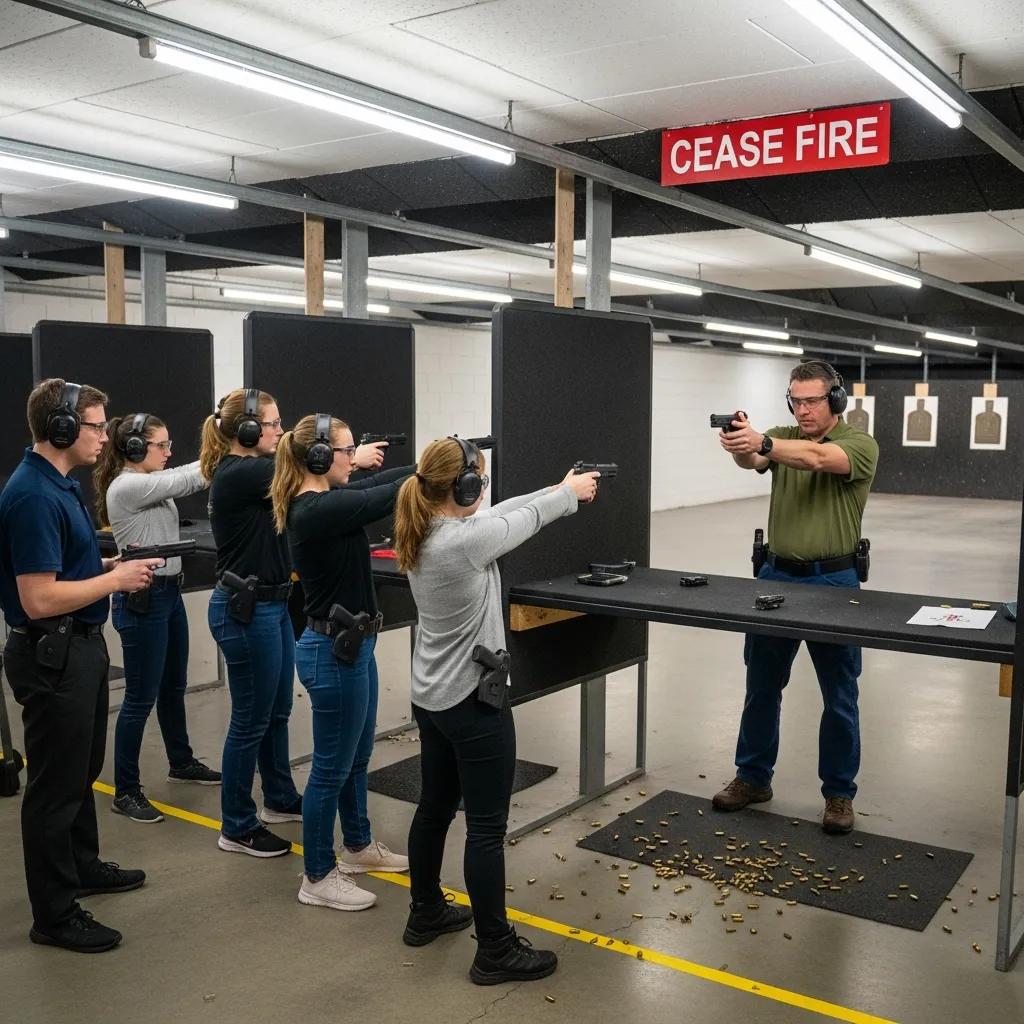
For beginners, enrolling in a firearms training course can be invaluable. These courses typically cover essential topics such as firearm safety, shooting techniques, and maintenance. Benefits of training include:
- Structured Learning: Courses provide a systematic approach to learning, ensuring you cover all necessary aspects of shooting.
- Expert Guidance: Instructors can offer personalized feedback and tips to improve your skills.
- Confidence Building: Training helps reduce anxiety and builds confidence in handling firearms.
Field and Falcon offers a variety of training courses tailored to different skill levels, ensuring you find the right fit for your needs.
Indeed, effective training is crucial for developing proficiency and ensuring safety, as highlighted by experts in firearms instruction.
Firearms Training: Skills, Safety & Practical Methods
training to students, focusing on the development of skills, education and instruction in firearms handling, emphasizing safety and the benefits of practical training methods.
Enhancing Student Skills Through Shooting Training
FAQs
Here are some common questions about indoor shooting ranges:
- What are the essential safety rules at an indoor shooting range? Always treat firearms as if they are loaded, keep the muzzle pointed in a safe direction, keep your finger off the trigger until ready to shoot, and be aware of your surroundings.
- How do I book a session at the range? Most ranges allow you to book online or by phone. Check their website for specific booking procedures.
- What equipment do I need to bring? Bring your firearm, ammunition, safety gear, and any personal targets you wish to use.
By understanding these aspects of indoor shooting ranges, first-time visitors can ensure a safe and enjoyable experience while honing their shooting skills.